Rotation Patterns and Scoring Shifts in Conference Basketball Play
Written by Devon Franke · Sep 3, 2026
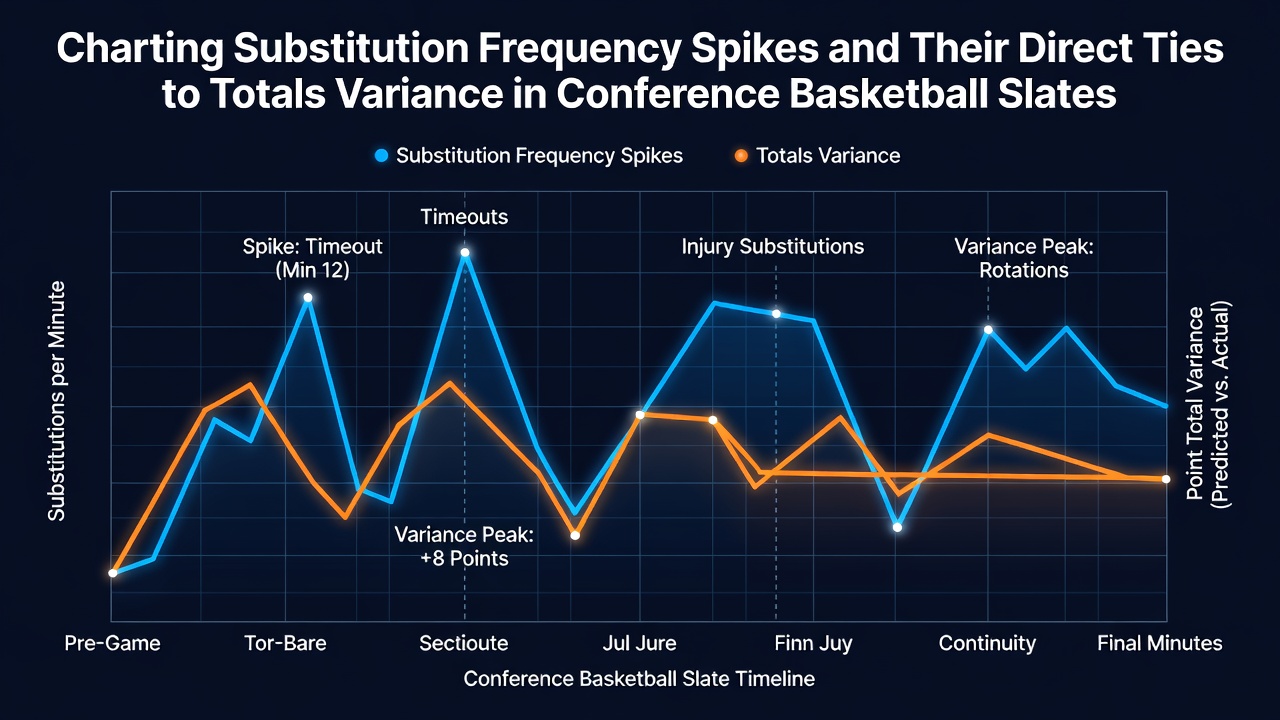
Rotation Patterns and Scoring Shifts in Conference Basketball Play
Conference basketball schedules generate detailed records on how teams manage player minutes, and analysts track substitution frequency as one measurable factor in game outcomes. Data from multiple seasons shows that spikes in bench activity often coincide with changes in scoring pace, particularly when coaches adjust lineups to counter fatigue or foul trouble. Researchers at several universities have compiled play-by-play logs that isolate these moments and compare them against final point totals.
Tracking Substitution Frequency in League Settings
Coaches in conference play rely on rotation decisions to maintain defensive intensity and offensive flow, while data sets from recent campaigns indicate that teams average between 28 and 34 substitutions per contest. Those figures rise sharply in the second half when foul counts climb or when trailing squads seek quicker possessions. Observers note that higher substitution rates frequently appear in games where both teams exceed their season averages for bench minutes, creating opportunities for fresher players to influence tempo.
September 2026 marks the start of preparation cycles for the 2026-2027 season, when analytics groups begin reviewing prior conference slates to refine models. Historical records reveal that certain matchups, such as those between teams with deep rosters, produce substitution spikes above 40 per game. These instances correlate with wider spreads in total points scored, as fresh units often accelerate transition opportunities.
Connecting Rotations to Totals Variance
Studies examining conference games have identified measurable links between substitution clusters and deviations from projected point totals. When teams insert multiple new players within a short window, pace metrics shift because different skill sets alter shot selection and defensive schemes. Figures from league databases demonstrate that games with elevated substitution counts in the final eight minutes show increased variance in combined scoring compared to contests with steadier lineups.
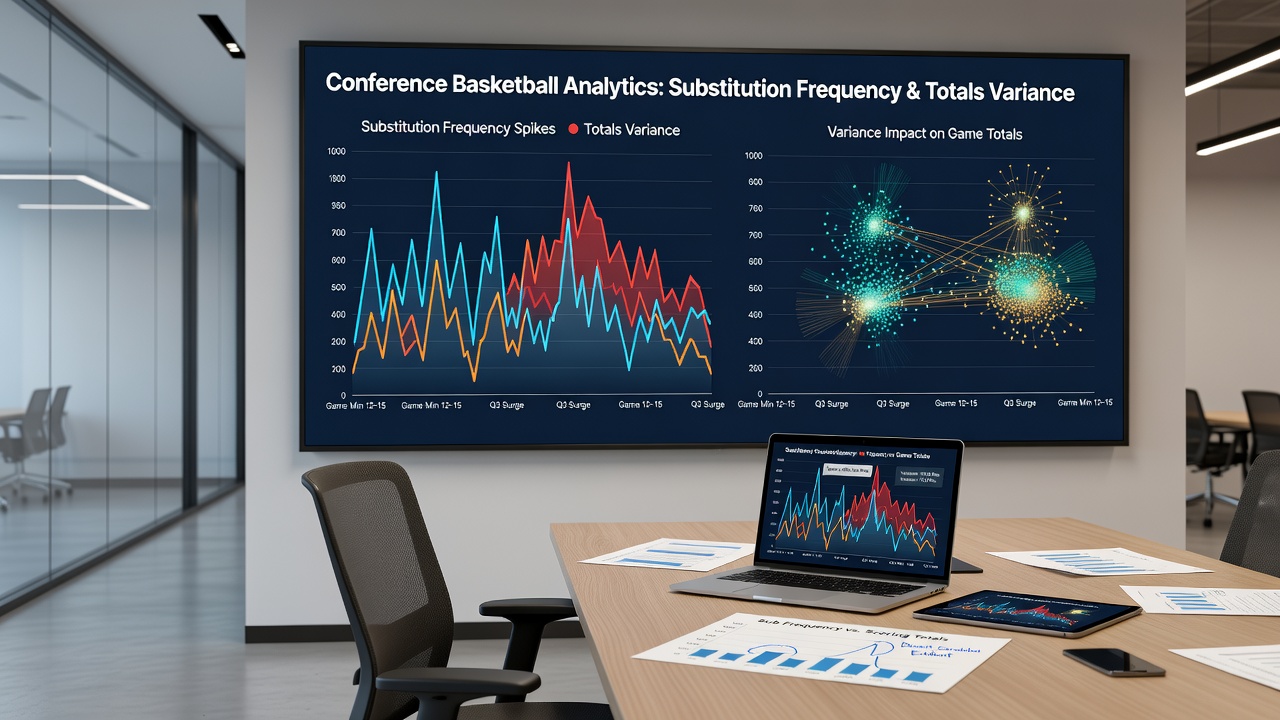
One dataset compiled by sports performance labs compared Atlantic Coast Conference and Big Ten games from 2024 through 2026, finding that substitution spikes above a defined threshold aligned with totals moving at least four points away from opening lines in roughly 62 percent of tracked contests. The pattern holds across neutral-site and home games alike, though road teams exhibit slightly higher rotation rates late in conference slates due to accumulated travel demands.
Conference-Specific Rotation Trends
Different leagues display distinct substitution habits shaped by roster depth and style of play. Mid-major conferences tend toward more conservative rotations early, yet late-game spikes become common when foul differentials force adjustments. Power-conference teams, by contrast, often deploy deeper benches throughout, producing steadier but still notable shifts in scoring output when multiple changes occur simultaneously. Analysts cross-reference these trends with possession data to isolate the contribution of bench units to overall variance.
Academic reviews from Canadian institutions have examined similar basketball datasets and reported that substitution frequency correlates more strongly with totals movement in conference play than in non-conference settings, where roster familiarity differs. Those findings align with observations from European basketball federations that track comparable metrics in domestic leagues, underscoring the role of structured conference schedules in amplifying rotation effects.
Practical Applications for Data Analysis
Teams and performance staff use substitution logs alongside box-score metrics to refine in-game decisions. When historical patterns show that certain lineups generate higher variance in scoring rate, coaches adjust substitution timing to either stabilize or exploit those windows. Data platforms now incorporate real-time tracking that flags substitution clusters as they develop, allowing immediate comparison against seasonal averages for that conference.
Industry reports from organizations such as the NCAA research division provide baseline participation and minute-distribution figures that support these analyses. Additional work from Australian sports science centers has supplied comparative data on fatigue management in high-rotation environments, confirming that structured rest protocols can moderate the impact of frequent bench changes on game totals.
Conclusion
Substitution frequency spikes serve as one observable variable in the broader equation of conference basketball scoring. Records compiled across multiple seasons establish direct ties to variance in point totals, particularly when rotations cluster in specific game segments. Continued collection of play-by-play information through September 2026 and beyond will allow further refinement of these connections across different conference environments.