Roster Depth Dynamics Shaping Stake Decisions in Extended Conference Play for College Basketball and Football
Written by Devon Franke · Aug 19, 2026
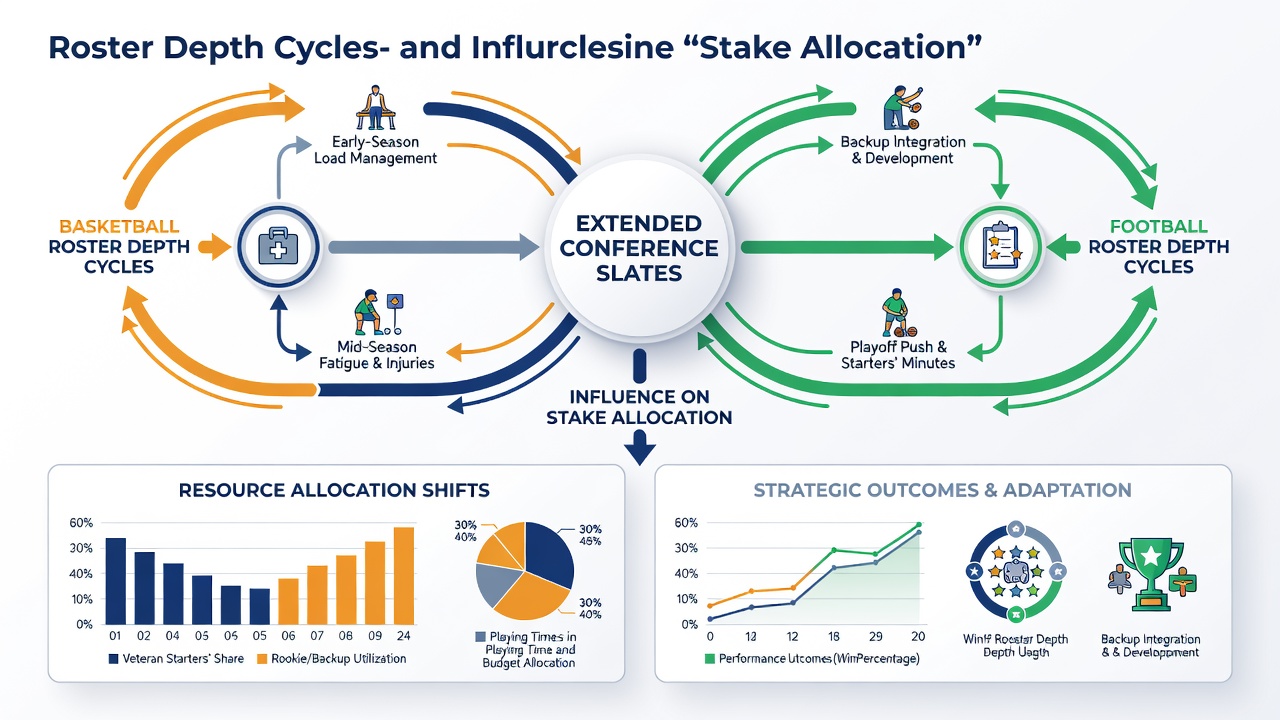
Roster Depth Dynamics Shaping Stake Decisions in Extended Conference Play for College Basketball and Football
College basketball and football seasons stretch into grueling conference slates that test every layer of a roster, and those depth cycles directly guide how bettors adjust their stake allocations as weeks pile up. Teams rotate players through heavy minutes early in conference play while key contributors manage minor injuries or fatigue, which creates measurable shifts in performance metrics that influence line movements and wager sizing across betting markets.
Data from recent seasons shows that squads with strong bench production maintain steadier results deeper into schedules, whereas shallower rotations experience sharper drops in efficiency after the tenth conference game or so. Bettors respond by scaling stakes on teams whose depth charts demonstrate proven resilience, and they trim exposure when rotation patterns signal vulnerability to late-game breakdowns.
Rotation Patterns and Performance Tracking
Conference schedules in both sports run twelve to eighteen games depending on the league, and this length forces coaches to cycle players in ways that reveal true depth over time. Researchers tracking player availability have found that basketball programs averaging seven or more contributors with at least fifteen minutes per game sustain higher offensive ratings through February and March compared with teams relying on five or fewer primary options. Football squads follow a similar pattern where offensive and defensive line rotations preserve effectiveness across back-to-back road games, and those patterns appear in advanced metrics tracked by conference offices.
Stake allocation adjusts accordingly as bettors monitor injury reports and minute distributions released after each contest. When a starting guard logs heavy minutes without adequate rest in a midweek basketball game, markets often price in reduced output for the next outing, prompting smaller wagers or outright avoidance until recovery trends stabilize. Football depth at the skill positions shows comparable effects, since running back committees that share carries evenly produce more consistent yardage totals across extended slates than committees that lean on one primary carrier.
Stake Adjustments Across Conference Phases
Early conference games often see larger stake sizes on favorites because rosters remain relatively fresh and depth advantages have not yet been fully tested. As the schedule advances into January for basketball and October for football, bettors shift allocations toward teams that demonstrate the ability to maintain production even when starters sit or rotate out. Observers note that this transition coincides with increased variance in totals markets, since deeper benches allow teams to control pace more effectively in later periods.
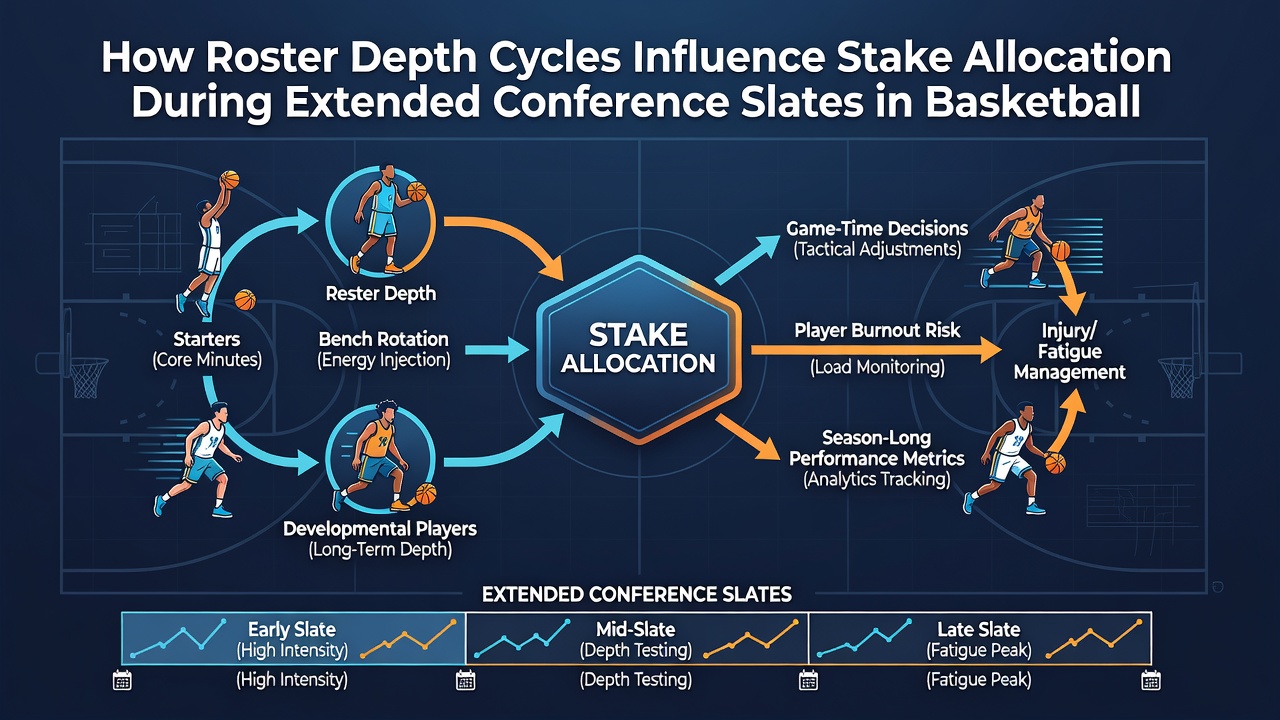
One study released by the NCAA Sports Science Institute examined player load data across multiple conferences and confirmed that programs maintaining balanced rotation minutes experience fewer dramatic performance drops after midseason. Bettors incorporate these findings by reallocating stakes away from teams whose depth charts show concentrated minutes among starters, and they direct larger portions toward squads whose bench units post comparable efficiency ratings in conference play.
Market Response and Allocation Strategies
Betting operators adjust opening lines based on projected depth impacts, yet sharp money often moves stakes further once actual rotation data emerges from early conference results. In basketball, teams that preserve starter health through strategic foul trouble management see steadier totals markets, while football programs that rotate defensive linemen effectively limit explosive plays and keep under totals in play for longer stretches. Those who follow these patterns allocate larger portions of bankrolls to correlated bets that pair depth-strong teams in same-week slates.
August 2026 preseason reports from several power conferences already highlight returning depth as a key storyline, with analysts projecting how those rotations will influence performance once conference play begins later in the year. This early information allows bettors to build allocation frameworks that account for expected cycles rather than reacting only after injuries surface.
Conclusion
Roster depth cycles continue to serve as a primary driver of stake allocation decisions throughout extended conference schedules in both basketball and football. Performance data collected across multiple seasons demonstrates clear connections between rotation balance and sustained results, and bettors apply those insights to refine wager sizes as slates progress. Continued tracking of minute distributions and availability reports provides the factual foundation for these allocation adjustments across upcoming seasons.