Playoff Streak Dynamics Reshape Accumulator Designs in Football and Basketball Campaigns
Written by Felix Schmid · Jun 22, 2026
Playoff Streak Dynamics Reshape Accumulator Designs in Football and Basketball Campaigns
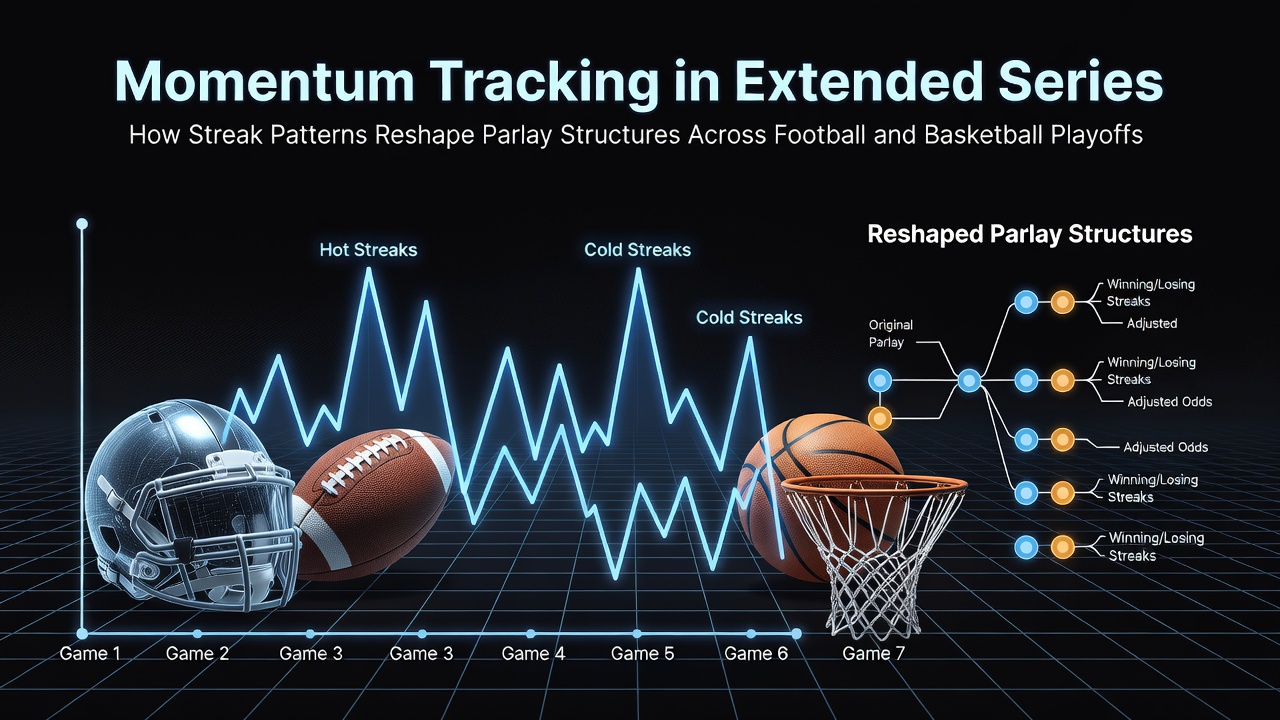
Extended playoff runs create measurable streak patterns that analysts track closely because consecutive wins or losses often shift team performance metrics and betting market responses in football and basketball. Researchers have documented how these momentum sequences influence the way bettors construct multi-leg wagers and how oddsmakers adjust lines to account for perceived hot or cold streaks during postseason windows.
Football playoff structures feature single-elimination games that still generate streak effects when teams advance through multiple rounds while basketball employs best-of-seven series where winning three or four consecutive contests becomes a defining variable. Data from recent postseason cycles shows that teams securing three straight victories enter subsequent matchups with adjusted spread lines that reflect both statistical trends and market perceptions of sustained performance.
Streak Identification Methods in Postseason Contexts
Analysts apply quantitative models to isolate streak patterns by examining scoring margins, possession efficiency and defensive metrics across consecutive games rather than isolated performances. These models incorporate factors such as travel distance between venues, rest intervals between rounds and historical performance in similar situations. Studies indicate that basketball teams maintaining above-average offensive ratings over three-game spans experience line movements averaging 2.5 points in subsequent contests while football squads demonstrating consistent yardage gains through multiple playoff rounds see comparable adjustments in total markets.
Observers note that momentum tracking tools now integrate real-time data feeds from league sources allowing for rapid recalculation of expected outcomes when streaks emerge mid-series. In June 2026 basketball postseason play continued to demonstrate how four-game winning sequences altered projected point totals in conference finals and championship rounds.
Accumulator Construction Under Momentum Influence
Parlay structures evolve when bettors incorporate streak data because correlated outcomes become more probable during extended runs. A team riding a three-game winning streak in basketball playoffs often produces correlated results across player props and team totals creating opportunities for multi-leg combinations that reflect those patterns. Football playoff scenarios generate similar effects when defensive units maintain shutout or low-scoring sequences through successive elimination games.
Market data reveals that parlay payout structures adjust when oddsmakers detect widespread incorporation of streak metrics into betting volume. Research from academic sports analytics programs shows correlation coefficients between consecutive win streaks and subsequent game outcomes ranging from 0.35 to 0.48 in basketball series while football data produces slightly lower yet still significant values around 0.28 to 0.41 depending on the round.
Comparative Patterns Across League Playoffs
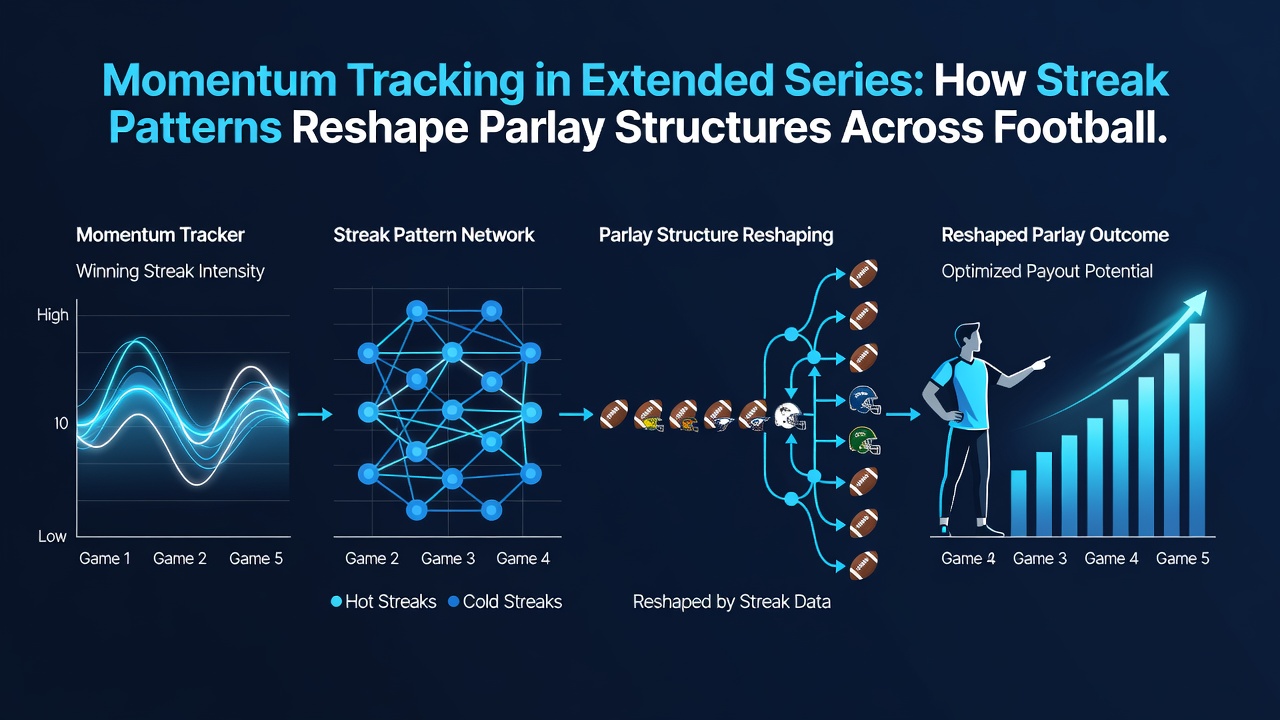
Football and basketball playoffs differ in series length yet both produce streak-driven market movements that reshape accumulator strategies. Basketball best-of-seven formats allow for clearer identification of four or five game streaks while football single-elimination paths create momentum through back-to-back road victories or defensive stands across divisional and conference rounds. Bettors who monitor these sequences often restructure their multi-leg selections to include correlated team and player outcomes that align with observed patterns.
According to findings published by the CBS Sports analytics team streak-adjusted models improved prediction accuracy by 7 to 11 percent in basketball playoff simulations during the 2025 cycle. Football data compiled through league tracking systems shows parallel improvements when momentum variables enter regression models for postseason spread forecasting.
Additional research coordinated by Canadian statistical agencies has examined cross-border betting patterns where playoff streaks influence accumulator participation rates in regulated markets. These reports highlight how consecutive victories in either sport correlate with increased handle on related multi-leg wagers while also prompting line adjustments from sportsbooks seeking to balance exposure.
Market Response and Line Adjustments
Oddsmakers respond to documented streak patterns by shifting opening lines and totals in subsequent playoff games. Basketball series that produce three consecutive high-scoring outputs often see totals move upward by three to five points while football teams sustaining long offensive drives through multiple rounds experience similar upward pressure on over/under markets. These adjustments reflect both empirical performance data and anticipated betting behavior from participants who track momentum indicators.
Industry organizations tracking global sports wagering volumes have noted that accumulator participation rates fluctuate in response to visible streak narratives during playoff windows. When teams extend winning sequences the proportion of correlated parlay combinations increases creating feedback loops that further influence line movement and market liquidity.
Conclusion
Streak pattern analysis continues to inform how participants approach parlay construction in football and basketball playoffs because consecutive performance sequences produce measurable effects on team metrics and market pricing. Data collection efforts from league sources and independent research groups provide the foundation for these adjustments while ongoing postseason cycles in 2026 demonstrate the continued relevance of momentum tracking across both sports.