Allocating Resources Across Consecutive Football Wagers for Sustained Capital Preservation
Written by Jordan Russell · Jul 1, 2026
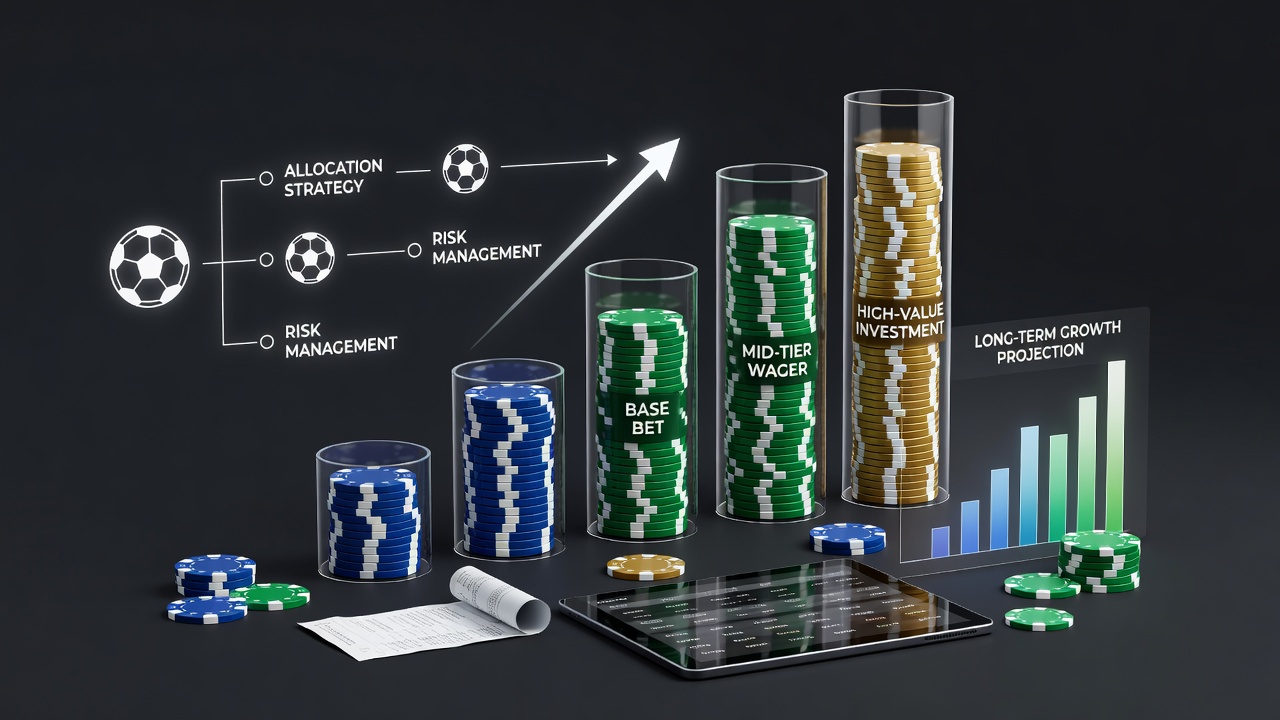
Allocating Resources Across Consecutive Football Wagers for Sustained Capital Preservation
Sequential football betting involves placing wagers on a series of matches or games where outcomes influence subsequent decisions and fund availability. Bettors who participate in this approach often divide their available capital into portions that align with planned sequences rather than committing larger sums to single events. Data from industry reports indicate that structured allocation methods appear in records maintained by operators across multiple jurisdictions and these records show patterns in how participants manage sequences that span several weeks or months.
Core Principles of Sequential Fund Division
Participants typically establish a total bankroll amount before the sequence begins and they apply percentage-based divisions to each wager within that sequence. Research from academic sources demonstrates that fixed-percentage approaches maintain proportional exposure even as the bankroll fluctuates after wins or losses. One study conducted at a major research institution tracked participant behavior across professional football leagues and found that those who recalculated percentages after every outcome recorded fewer instances of rapid capital depletion compared with static allocation methods.
Observers note that July 2026 represents a period when many sequences are planned in advance of the upcoming season because schedules become finalized and early odds markets open. Regulatory filings from bodies such as the Australian Gambling Research Centre reveal increased account activity during these preparatory months as bettors set initial bankroll targets. The filings further indicate that participants who document their division rules before sequences start tend to adhere more closely to those rules throughout the period.
Practical Application in Football Sequences
Sequential structures often include correlated and uncorrelated selections across different leagues or matchdays. Bettors divide funds so that early wagers receive smaller portions while later wagers in the sequence may receive adjusted portions based on updated bankroll figures. Figures released by the Nevada Gaming Control Board show that sequences spanning eight to twelve weeks appear regularly in transaction logs and these logs contain evidence that percentage recalculations occur at regular intervals within those sequences.
Take one documented case where researchers examined operator data from a European market and discovered that participants using dynamic division recorded an average sequence length 30 percent longer than those using fixed amounts. The same examination revealed that sequences involving both domestic league matches and international competitions benefited from the same percentage framework because the approach automatically scaled exposure when bankroll totals changed after each settlement.

Monitoring and Adjustment Mechanisms
Continuous monitoring forms a central component of sustained viability because it allows participants to respond to realized outcomes without abandoning the original framework. Those who study betting patterns report that weekly reviews of allocation percentages help maintain consistency across sequences that extend through multiple competition phases. Evidence from transaction datasets suggests that sequences incorporating mid-point reviews experience fewer complete drawdowns than sequences without such checkpoints.
Yet the same datasets also show that some participants extend their sequences by pausing after predetermined loss thresholds rather than continuing with reduced percentages. This pause mechanism appears in records from several regulated markets and it correlates with longer overall participation periods according to aggregated operator statistics. The approach does not alter the underlying division rules but simply delays the next wager until external conditions or additional funding decisions intervene.
Conclusion
Sequential football betting requires deliberate fund division that accounts for both immediate wagers and the cumulative effect of outcomes over time. Available regulatory data and academic examinations indicate that percentage-based allocation combined with periodic recalculations supports extended sequences across various football competitions. Records maintained by oversight bodies in multiple regions continue to capture these patterns as participants prepare for and execute sequences throughout the annual calendar including the preparatory window in July 2026.