Adaptive Stake Calibration in Response to Live Game Events in Professional Football and Basketball
Written by Felix Schmid · Jul 25, 2026
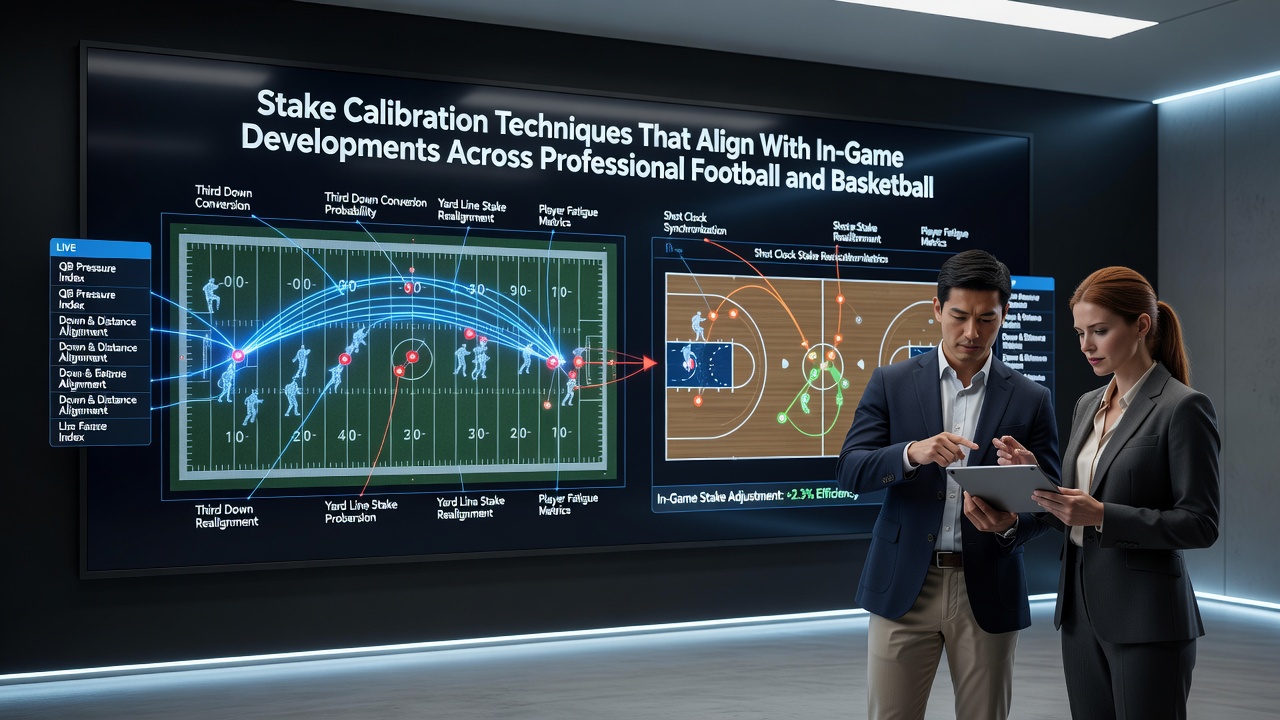
Adaptive Stake Calibration in Response to Live Game Events in Professional Football and Basketball
Stake calibration techniques focus on adjusting wager sizes as in-game events unfold in professional football and basketball, where factors such as scoring runs, player substitutions, and momentum shifts prompt recalibrations according to established models used by analysts and operators.
Core Principles of Live Stake Adjustment
Research from academic institutions shows that calibration begins with baseline probability assessments derived from historical data sets, then incorporates real-time inputs like possession changes or foul accumulations to modify stake levels while maintaining risk parameters set before the contest starts.
Experts at organizations including the European Gaming and Betting Association track how these adjustments align with developments such as injury reports emerging mid-quarter or timeout strategies altering expected point totals in both leagues.
Data indicates that in football contests, defensive stops or offensive line adjustments often trigger stake increases when projected margins widen, whereas basketball sees frequent recalibrations around three-point shooting variances and rebounding sequences that shift possession metrics.
Application in Professional Football Contexts
Observers note that during gridiron matches, calibration systems integrate play-by-play feeds to detect patterns such as sustained drives or turnover rates, prompting stake modifications that reflect updated win probabilities calculated through algorithmic updates every few seconds.
Figures from regulatory bodies in Canada reveal consistent application of these methods across professional seasons, where teams facing weather-related field conditions or travel impacts see stake lines adjusted proportionally to performance variance data collected from prior games.
Techniques Tailored to Basketball Dynamics
Basketball presents rapid sequences of scoring bursts and defensive resets that demand stake calibration tied directly to shooting efficiency updates and rotation impacts, with analysts applying variance thresholds to determine when stake sizes should expand or contract.
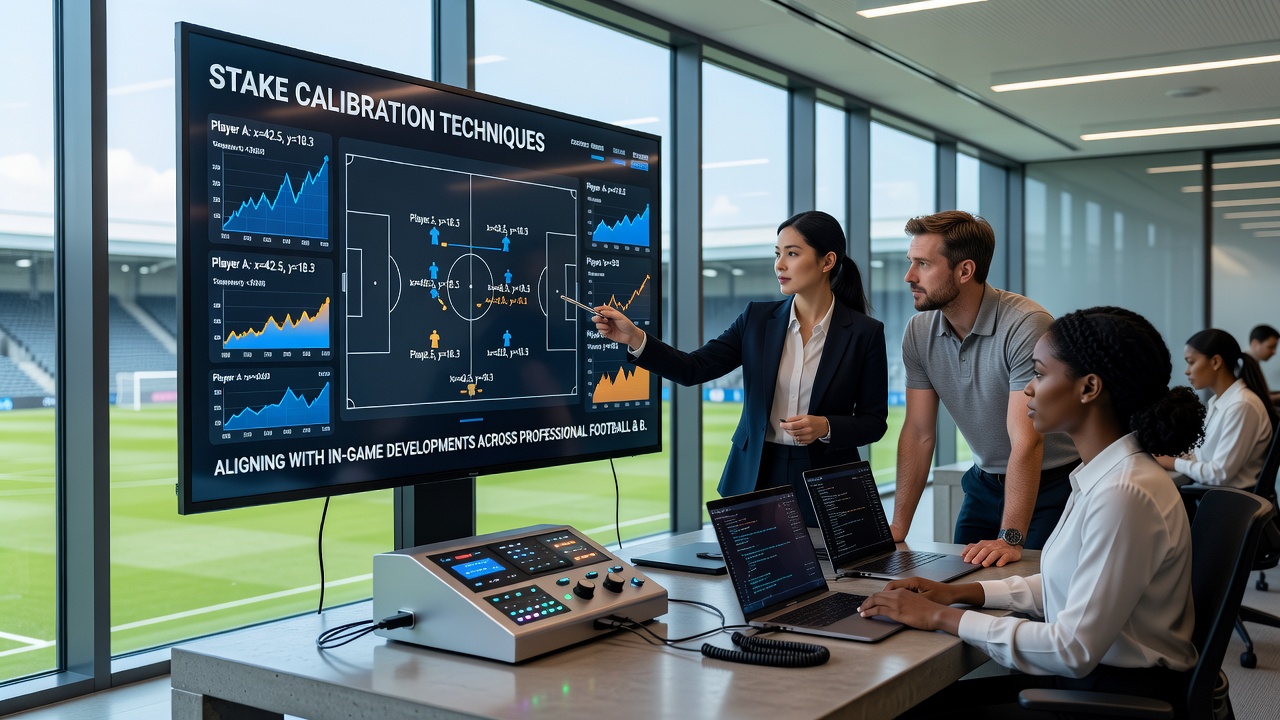
Studies compiled by university researchers demonstrate that back-to-back scheduling effects and conference travel distances influence these adjustments, as fatigue metrics alter expected outputs in conference play throughout the 2026 calendar.
Integration Across Both Sports
Cross-league applications combine elements from football's structured possession tracking with basketball's fluid scoring data to create unified frameworks, where correlated results in multi-game scenarios guide stake alignments without exceeding predefined exposure limits.
Regulatory updates reported in Australian oversight documents highlight how these integrated methods support market stability during periods of high activity, including July 2026 preparations for upcoming international fixtures that overlap with domestic league schedules.
Those who monitor these systems find that real-time feeds from official league sources feed into calibration engines, allowing adjustments for referee assignments or mid-game coaching decisions that measurably affect foul rates and penalty outcomes across both sports.
Conclusion
Calibration techniques continue to evolve alongside advancements in data collection from professional football and basketball, with alignment to in-game developments supported by ongoing inputs from performance analytics and regulatory frameworks worldwide.